


Hoi An may be best known for its lantern-lit streets, yellow heritage houses and riverside atmosphere. But beyond its postcard beauty lies a collection of museums that reveal the city’s history, creativity and living cultural traditions.
From ancient ceramics and traditional medicine to photography, pottery and contemporary upcycled art, the best museums in Hoi An offer a deeper way to understand this remarkable destination.
Whether you have one afternoon or several days, these ten museums deserve a place in your Hoi An itinerary.
Hoi An Museums at a Glance
| Museum | Best For | Area | Suggested Time |
|---|---|---|---|
| Driftwood Museum | Art, sustainability and woodcarving | Hoi An Tay | 60–90 minutes |
| Hoi An Museum | An introduction to local history | Old Town area | 45–60 minutes |
| Museum of Trade Ceramics | Maritime trade and ceramics | Old Town | 30–45 minutes |
| Museum of Sa Huynh Culture | Archaeology and ancient settlements | Old Town | 30–45 minutes |
| Museum of Folk Culture | Traditional customs and performance | Old Town | 45–60 minutes |
| Museum of Traditional Medicine | Vietnamese healing heritage | Old Town | 30–45 minutes |
| Museum of Local Products | Spices and regional products | Old Town | 30–45 minutes |
| Precious Heritage Museum | Photography and ethnic cultures | Hoi An – Old Town area | 45–60 minutes |
| Thanh Ha Terracotta Park | Pottery, architecture and family activities | Thanh Ha | 60–90 minutes |
| Cu Lao Cham Marine Museum | Island life and marine ecology | Cu Lao Cham | Part of a day trip |
1. Driftwood Museum at Làng Củi Lũ – Driftwood Village
Làng Củi Lũ – Driftwood Village has moved to its new home at 01 Le Hong Phong Street, Hoi An Tay.
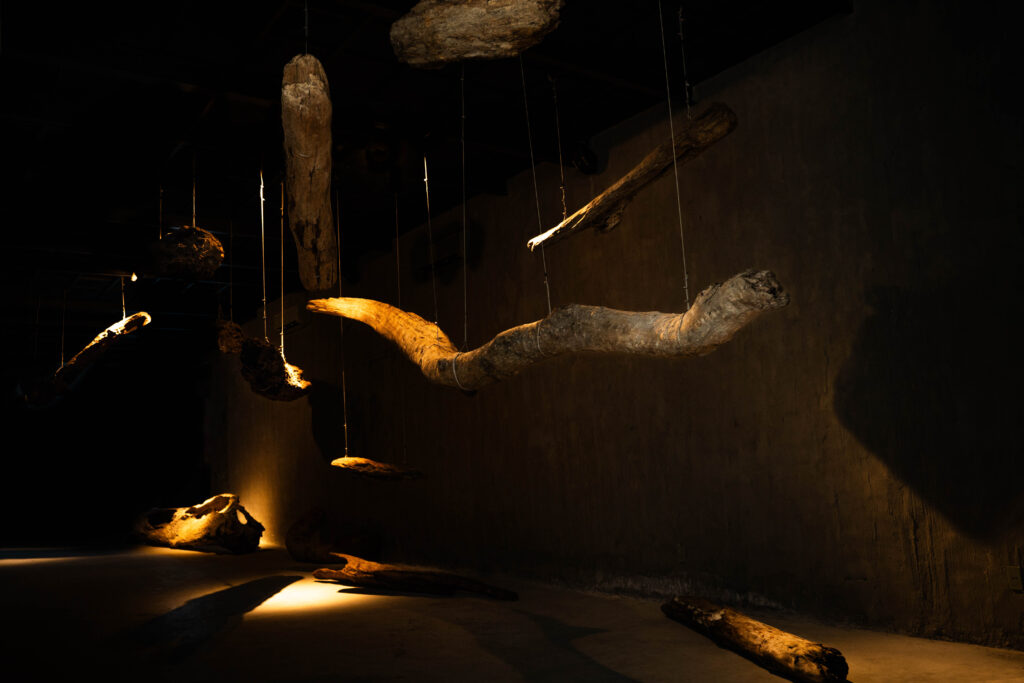
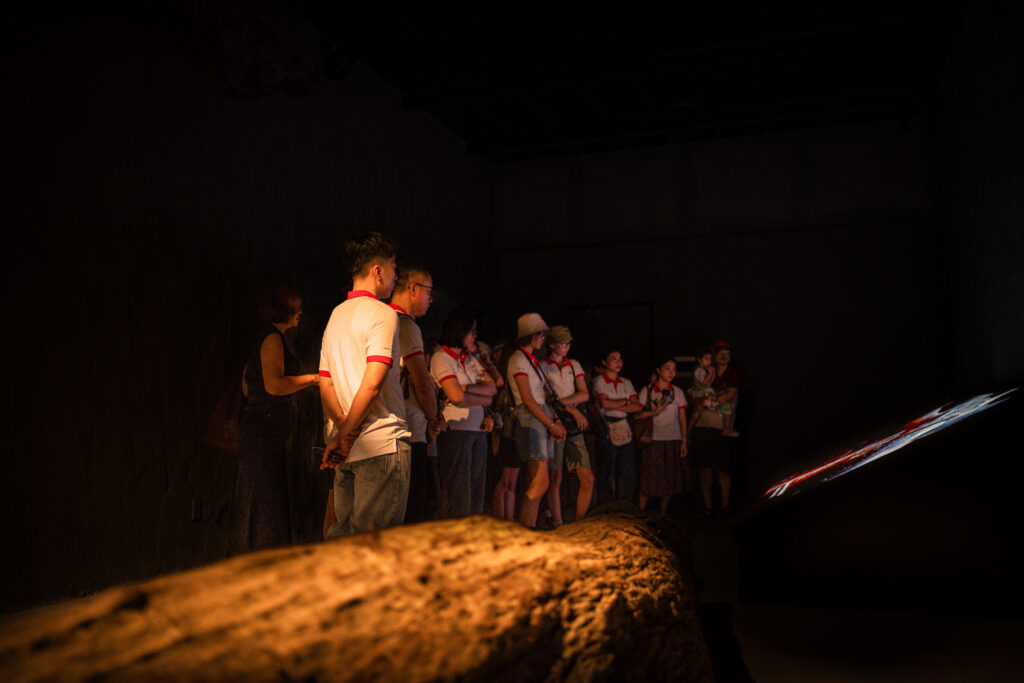
At the heart of the village is the Driftwood Museum, an immersive space dedicated to the remarkable journey of wood shaped by floods, rivers, storms and time.
For many visitors, this may be the first time that driftwood becomes more than a natural object or decorative material. Here, its story unfolds as a complete and tangible journey-from its origins in the landscape to its arrival along waterways, and from something abandoned by nature to something given a new life through art.
Visitors can encounter original sculptures created from reclaimed driftwood, observe the material’s natural textures and discover how Vietnamese artisans respond to each piece without erasing its history.
The experience also introduces the environmental philosophy behind Làng Củi Lũ. Instead of viewing displaced wood as waste, the artists recognise its memory, character and creative potential. Sustainability becomes something you can see, touch and understand-not simply an abstract message.
From Tra Que to a New Chapter
Làng Củi Lũ first took shape amid the peaceful landscapes of Tra Que. It was here that the early relationship between driftwood, craftsmanship and environmental awareness began to develop.
In 2026, the village entered a new chapter at 01 Le Hong Phong, bringing the Driftwood Museum, Driftwood Gallery, woodcarving workshops, café and craft store together in one cultural destination.
After exploring the museum, visitors can watch artisans at work, join a woodcarving experience, browse locally made pieces or simply sit with a drink and reflect on the stories held within the wood.
👉 Join us to discover the story of driftwood at Làng Củi Lũ – Driftwood Village
2. Hoi An Museum
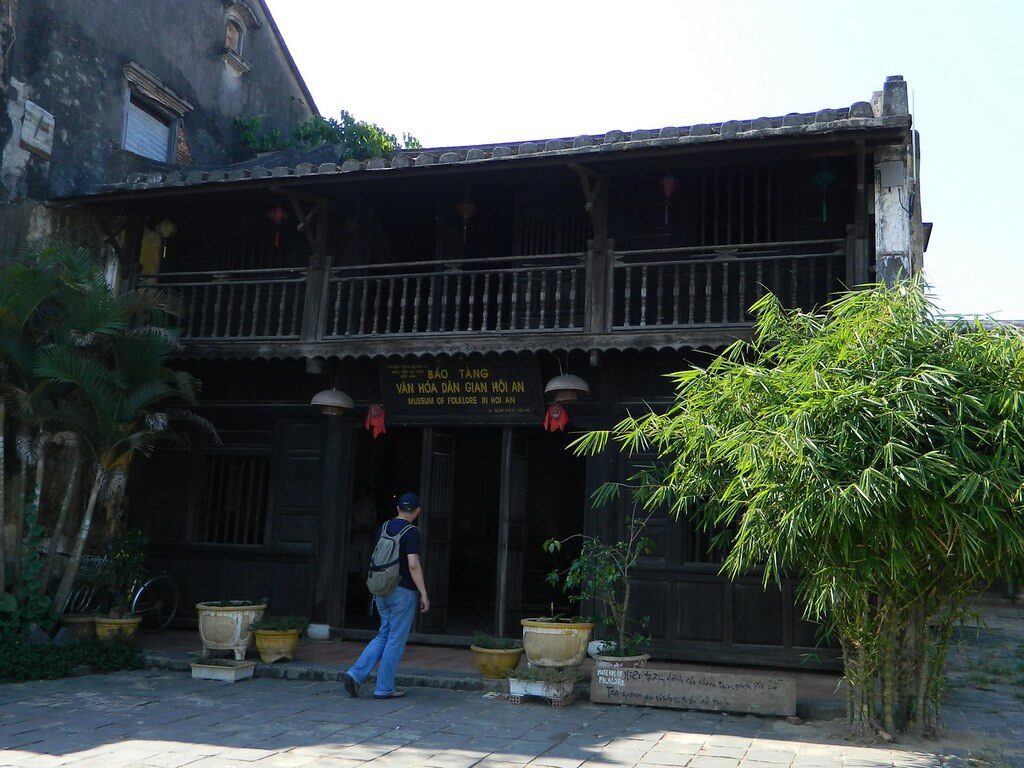
The Hoi An Museum is a helpful first stop for anyone who wants an overview of the city before exploring its streets.
Located at 10B Tran Hung Dao Street, the museum introduces the development of Hoi An through archaeological objects, historical documents and exhibitions relating to local communities.
It provides context for many of the places you will encounter later, from ancient trading houses and religious buildings to the city’s long relationship with international merchants.
Best for: First-time visitors and history enthusiasts.
3. Museum of Trade Ceramics
Set inside a beautifully preserved traditional house at 80 Tran Phu Street, the Museum of Trade Ceramics explores Hoi An’s former role as one of Southeast Asia’s important trading ports.
Its collection includes ceramics discovered through archaeological research and maritime trade. These objects reveal connections between Hoi An and communities across Asia.
The building itself is part of the experience. Wooden beams, a central courtyard and traditional architecture provide an intimate setting for understanding the movement of objects, people and ideas through the old port.
Best for: Architecture, ceramics and maritime history.
4. Museum of Sa Huynh Culture
The Museum of Sa Huynh Culture takes visitors much further back in time.
Its archaeological collection introduces the Sa Huynh civilisation, which existed in Central Vietnam long before Hoi An became an international trading port. Burial jars, jewellery, tools and household objects offer clues about the spiritual and everyday lives of these early communities.
This is a relatively compact museum, but it adds an important historical layer to a Hoi An itinerary.
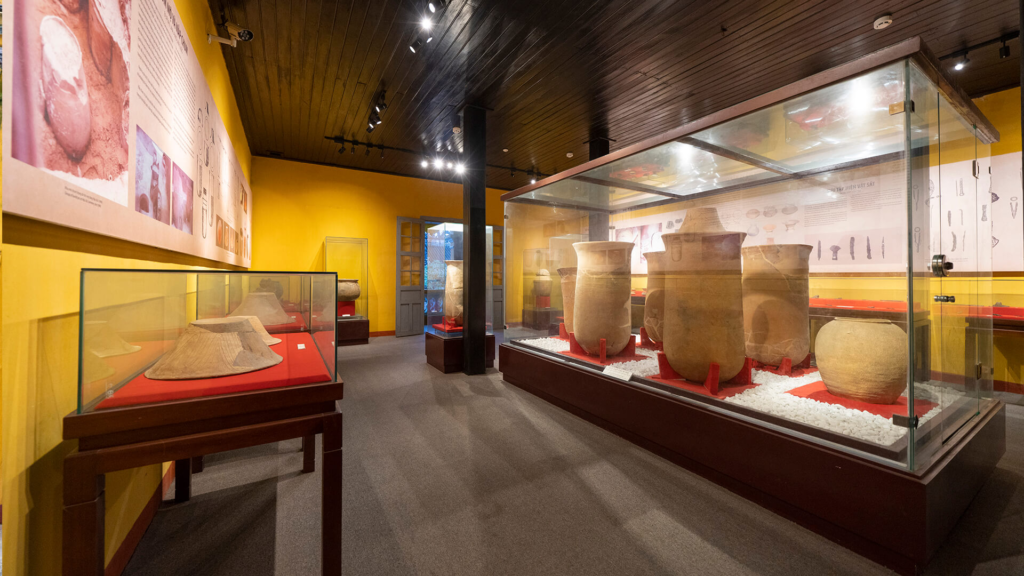
Location: 149 Tran Phu Street
Best for: Archaeology and ancient Vietnamese history.
5. Museum of Folk Culture
The Museum of Folk Culture brings Hoi An’s traditions to life through clothing, tools, objects, performance and local customs.
Rather than focusing only on major historical events, the museum explores how ordinary people lived, worked, celebrated and expressed their beliefs.
The exhibitions are displayed inside one of the Old Town’s largest traditional wooden buildings. Look for objects connected to folk performance, handicrafts, agriculture and community rituals.
Location: 33 Nguyen Thai Hoc Street
Best for: Families and visitors interested in living culture.
6. Museum of Traditional Medicine
Hoi An’s Museum of Traditional Medicine explores the knowledge, ingredients and tools associated with historic Vietnamese healing practices.
The displays include herbal medicines, preparation equipment, medical texts and objects once used by traditional practitioners. The museum also helps visitors understand how Vietnamese and Chinese medical knowledge influenced local life.
Its setting inside a heritage house makes the experience feel closer to visiting a historic pharmacy than a conventional exhibition hall.
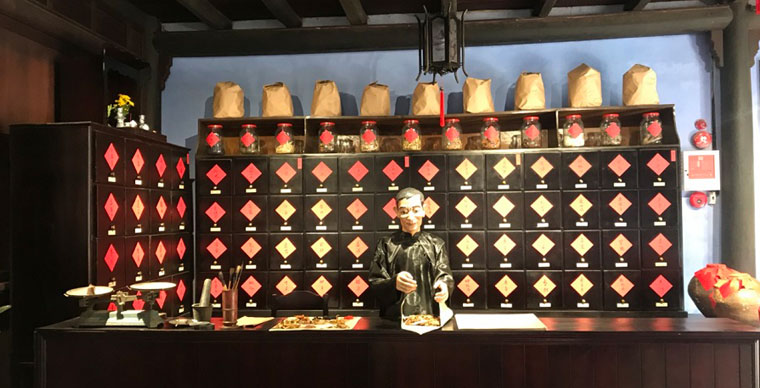
Location: 46 Nguyen Thai Hoc Street
Best for: Wellness history, herbal traditions and cultural heritage.
7. Museum of Local Products
Opened in a restored heritage building at 57 Tran Phu Street, the Museum of Local Products explores the products and spices that helped connect Hoi An with regional and international trade.
Photographs, documents and historical objects illustrate how local ingredients were cultivated, exchanged and incorporated into everyday life.
It is a natural companion to the Museum of Trade Ceramics. One focuses on the objects that travelled through Hoi An, while the other introduces the products that gave the port economic and cultural importance.
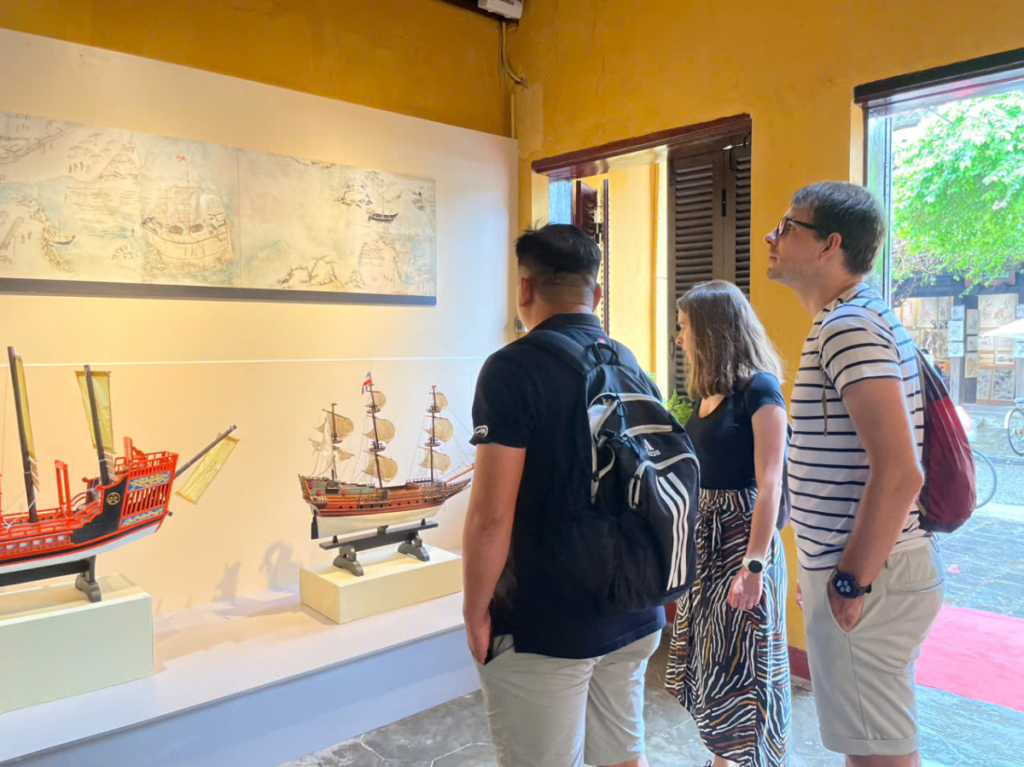
Best for: Food lovers, local history and trading heritage.
8. Precious Heritage Art Gallery Museum
Created by photographer Réhahn, the Precious Heritage Art Gallery Museum brings together portraits, stories and traditional clothing representing Vietnam’s diverse ethnic communities.
The museum’s rooms combine documentary photography with original costumes and cultural information. The result is both visually striking and deeply human.
Allow enough time to read the stories accompanying the photographs. They transform the exhibition from a portrait collection into a thoughtful exploration of identity, memory and cultural preservation.
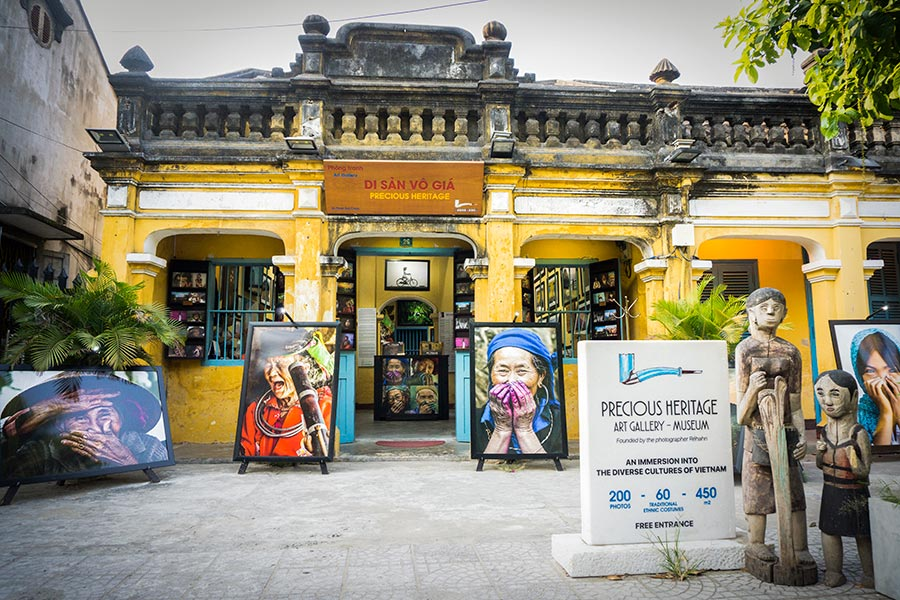
Location: 26 Phan Boi Chau Street
Best for: Photography, portraiture and Vietnamese ethnic cultures.
9. Thanh Ha Terracotta Park and Museum
A short journey from the Old Town, Thanh Ha Terracotta Park celebrates the pottery heritage of Thanh Ha Village.
Its exhibitions introduce traditional pottery communities, while large terracotta installations reinterpret famous architectural landmarks through clay. Visitors may also see artisans working or take part in a pottery activity.
The combination of museum displays, outdoor architecture and hands-on experiences makes it especially suitable for families.
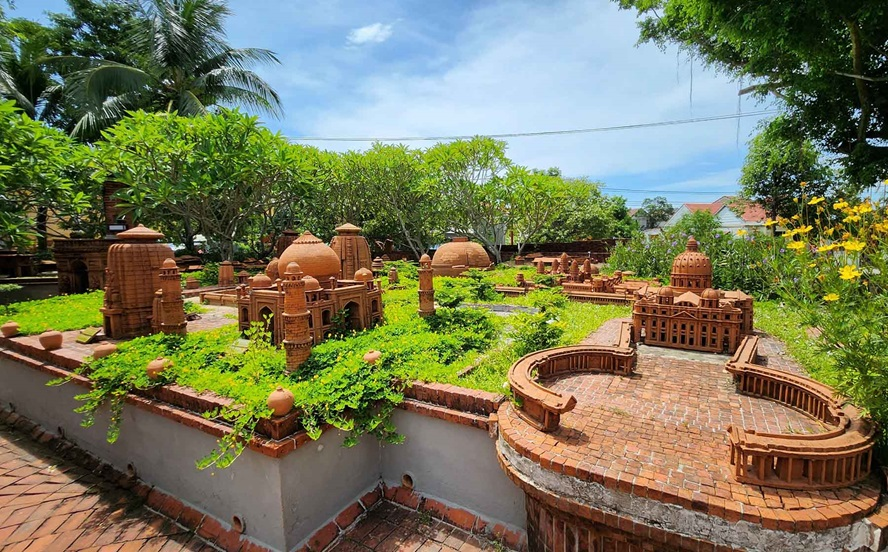
Best for: Pottery, architecture, craft experiences and children.
10. Cu Lao Cham Marine Museum
Located near the main arrival area on Cu Lao Cham, the Cu Lao Cham Marine Museum introduces the natural environment and cultural life of the island community.
Exhibitions focus on marine biodiversity, fishing traditions and the relationship between local people and the surrounding sea.
The museum is best included as part of a Cu Lao Cham day trip rather than visited as a standalone destination. It provides useful context before exploring the island’s beaches, villages and marine landscape.
Best for: Marine ecology, island culture and responsible travel.
How to Plan Your Hoi An Museum Itinerary
If you have only one day, begin with two or three museums in the Old Town. The Museum of Trade Ceramics, Museum of Folk Culture and Museum of Traditional Medicine can be combined into a comfortable walking route.
In the afternoon, travel to Làng Củi Lũ for the Driftwood Museum, gallery and workshop experience. This creates a natural progression from Hoi An’s historic heritage to its evolving contemporary art scene.
With two or three days, add Thanh Ha Terracotta Park and reserve a separate day for Cu Lao Cham.
Museum opening hours, admission arrangements and photography policies may change. Check the latest information on official websites or Google Maps before travelling.
Frequently Asked Questions
What is the most unusual museum in Hoi An?
- The Driftwood Museum at Làng Củi Lũ offers one of Hoi An’s most distinctive museum experiences. It connects reclaimed wood, sculpture, environmental awareness and Vietnamese craftsmanship in a single visitor journey.
How many Hoi An museums can I visit in one day?
- Three or four Old Town museums can be visited comfortably in one day. For a more relaxed experience, combine two Old Town museums with one larger destination such as Làng Củi Lũ or Thanh Ha Terracotta Park.
Which Hoi An museums are best for families?
- The Driftwood Museum, Thanh Ha Terracotta Park and Museum of Folk Culture are particularly accessible for families. Hands-on workshops can make the visit more engaging for children.
Do I need an Old Town ticket?
- Some heritage museums may be included in Hoi An’s Old Town ticket system, while private museums and attractions can have separate arrangements. Check current admission information before your visit.
What should art lovers add to their itinerary?
- Art lovers should prioritise the Driftwood Museum, Driftwood Gallery, Precious Heritage Museum and Thanh Ha Terracotta Park. Together, they present very different approaches to sculpture, photography, material and craft.
Discover a Different Side of Hoi An
Hoi An’s museums reveal a city shaped by many layers: ancient communities, international trade, traditional knowledge, craft villages and new forms of artistic expression.
At Làng Củi Lũ, that story continues through a material shaped by nature and transformed by human hands.
👉 Visit Làng Củi Lũ – Driftwood Village and discover the story of driftwood